Skip to content

Geosciences & subsurface studies

HPHT laboratory equipment for geosciences

We design custom experimental equipment for engineers and researchers in geosciences. Our systems reproduce deep geological conditions—high pressure, high temperature, mechanical stress, and corrosive fluids—where standard catalogs fall short. They are used to characterize rock and fluid behavior for the energy and underground storage industries.

01 — The problems we solve

Planning an experiment?

Every geoscience project has unique experimental challenges. Find your situation below to see the solutions we have built.

Keep a fluid or a material under very high pressure

A reservoir fluid degasses at the slightest pressure drop; a cement is judged after months under load. Either way, pressure must hold over time, and the sample must be transferred or aged without being altered.

Delivered for

See the 3 projects ↓

02 — Measurements

The physical quantities you can measure

Our equipment is instrumented to give you access to the key parameters that govern subsurface behavior.

Axial and radial stress

Measured and controlled in our triaxial presses and cells, they simulate tectonic forces and overburden weight. Their independent control is key to studying rock deformation, strength, and failure under reservoir conditions.

Axial and radial strain

Precise strain measurement quantifies the rock's response to stress. It is from this data, acquired on our triaxial cells, that elastic moduli and material constitutive laws are determined.

Pore pressure

The pressure of the fluid within the rock is a major parameter in its mechanical behavior. We integrate and control it in our triaxial cells and permeability test rigs to accurately reproduce effective stress conditions in the reservoir.

Permeability (gas or liquid)

This key parameter measures a rock's ability to allow fluid flow. Our dedicated transport test benches and equipped triaxial cells can measure it under steady-state or transient conditions over a very wide range of values.

Porosity and pore volume

Determining the volume available for fluid storage (hydrocarbons, CO₂, H₂) is fundamental. This measurement can be performed on our transport test benches, complementing permeability tests for a complete characterization of the reservoir rock.

P- and S-wave velocities

Integrating piezoelectric sensors into our triaxial cells makes it possible to monitor the evolution of compressional (P) and shear (S) wave velocities. This is a non-destructive method to characterize the state of rock damage during a test.

Electrical resistivity

Resistivity measurement, integrated into our triaxial cells, provides information on fluid saturation and pore network connectivity. It is particularly useful for tracking the progression of a fluid front inside the sample.

Fluid sampling for analysis

Our geochemical reactors and transport test benches are equipped with isobaric sampling systems. They allow you to monitor the evolution of the fluid's chemical composition during its interaction with the rock, without disturbing the test conditions.

03 — Projects

Our geosciences projects

14 projects

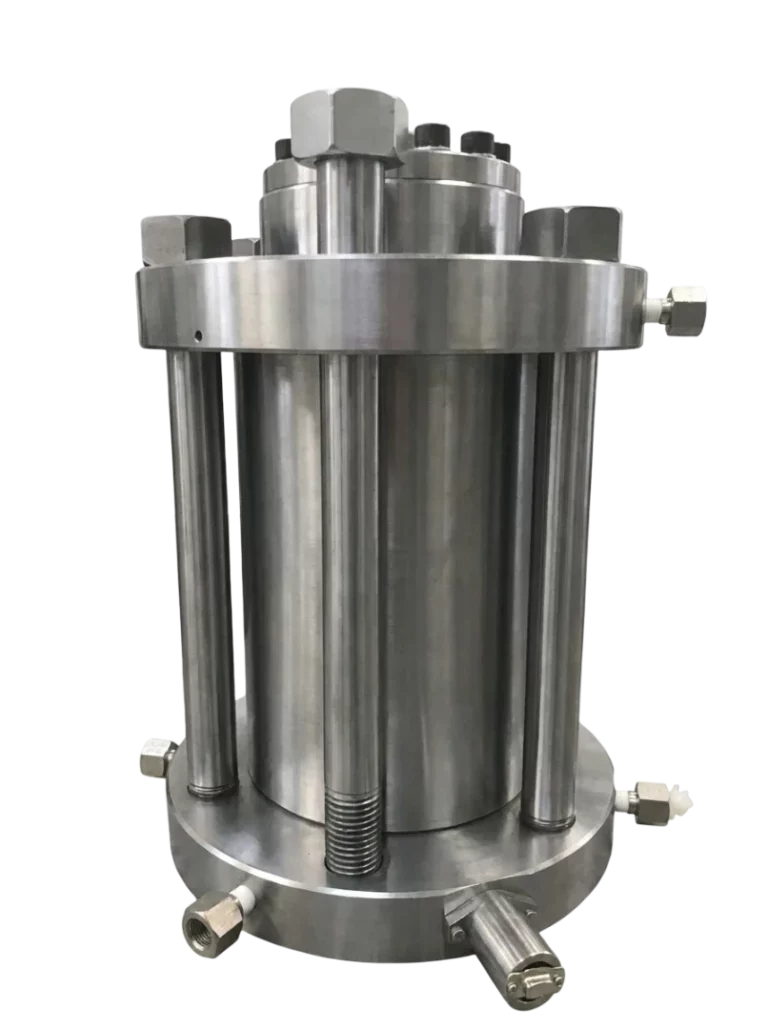
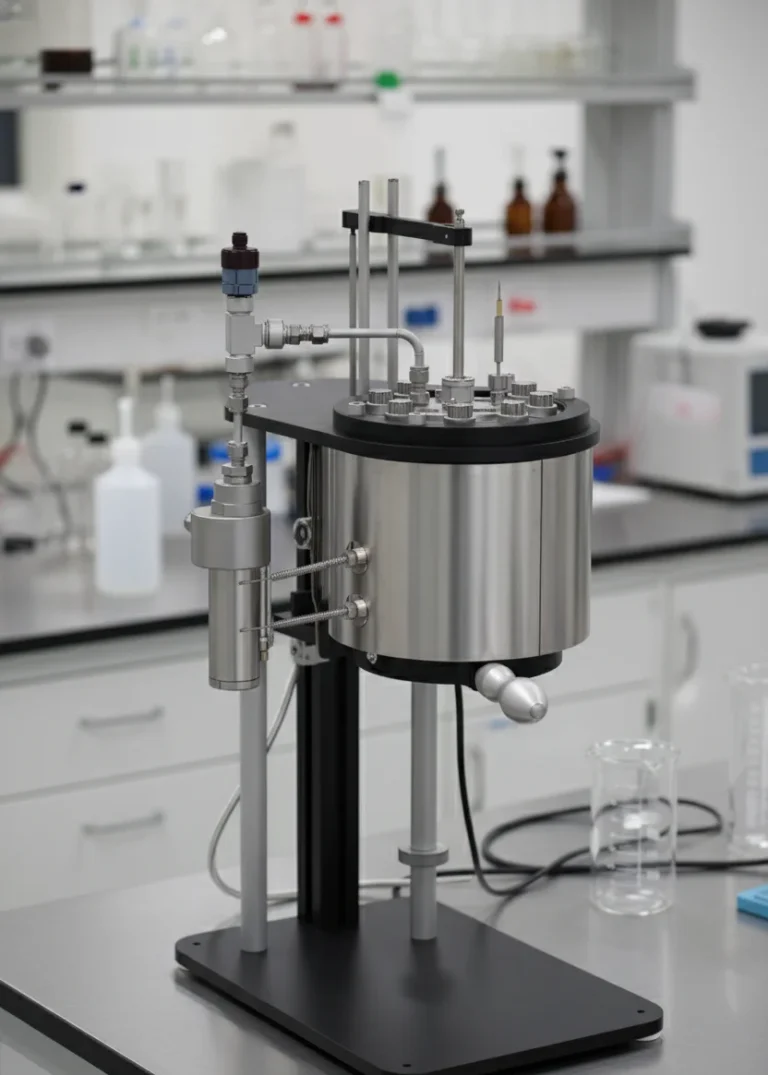
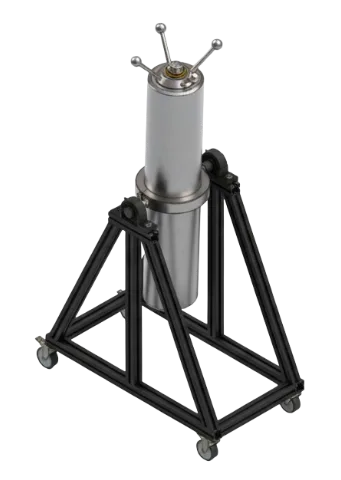
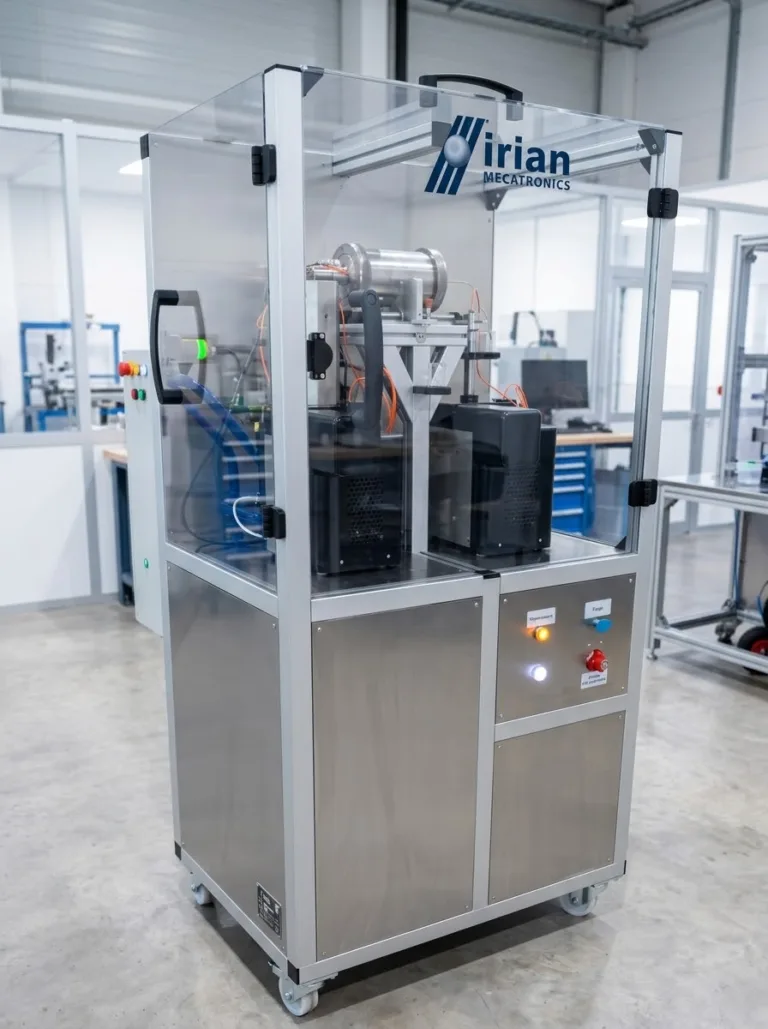
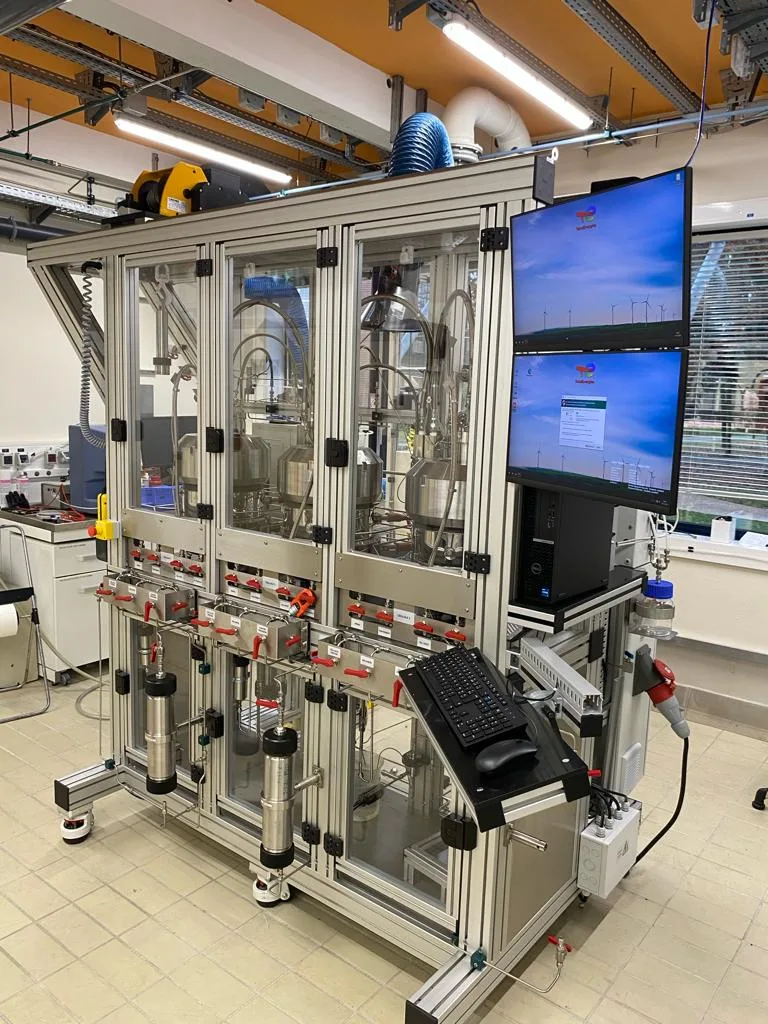
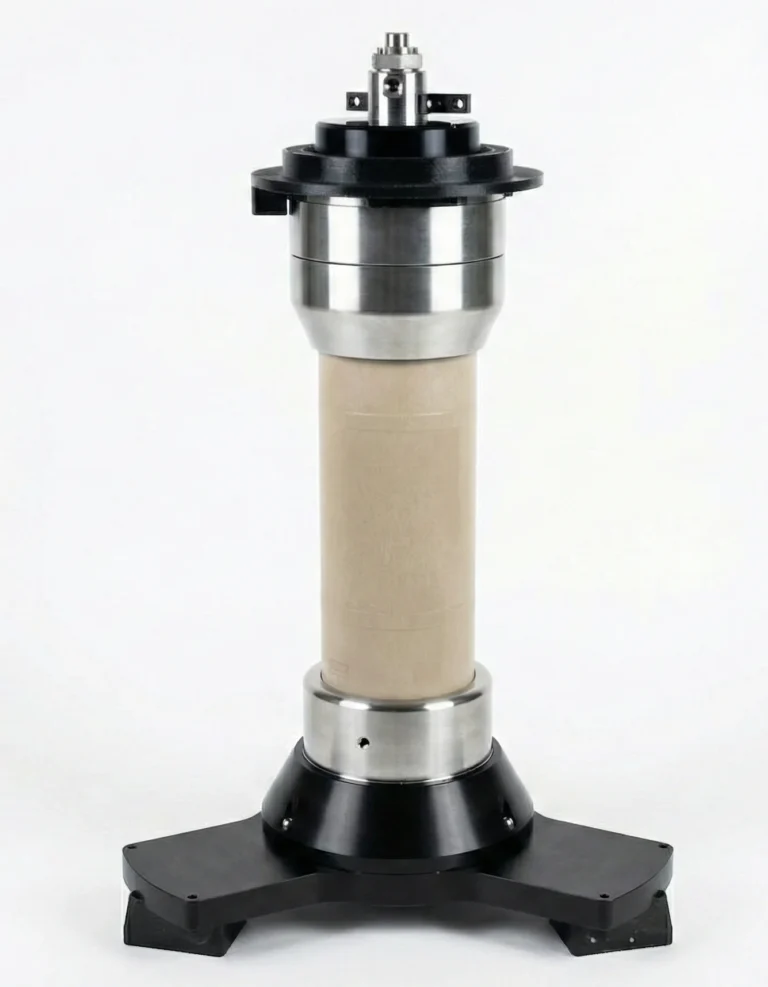
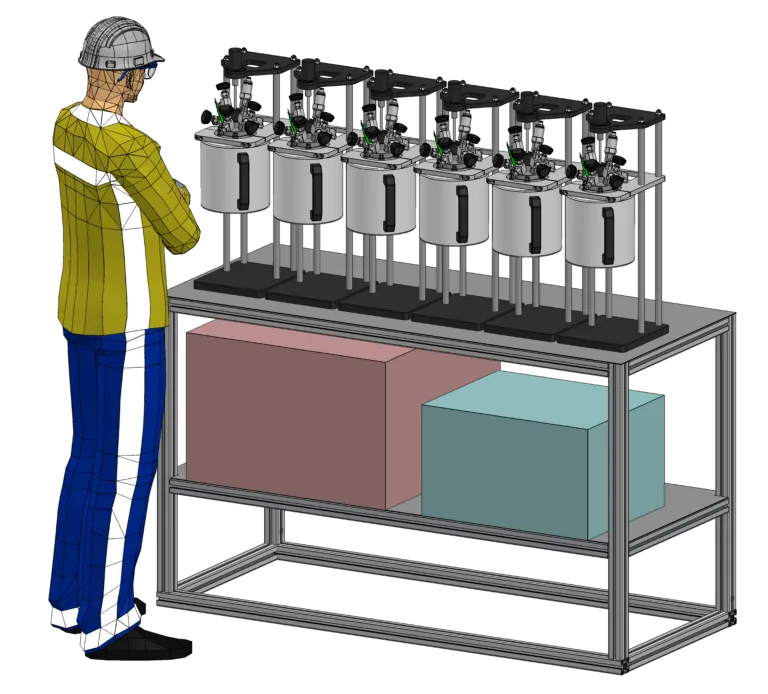
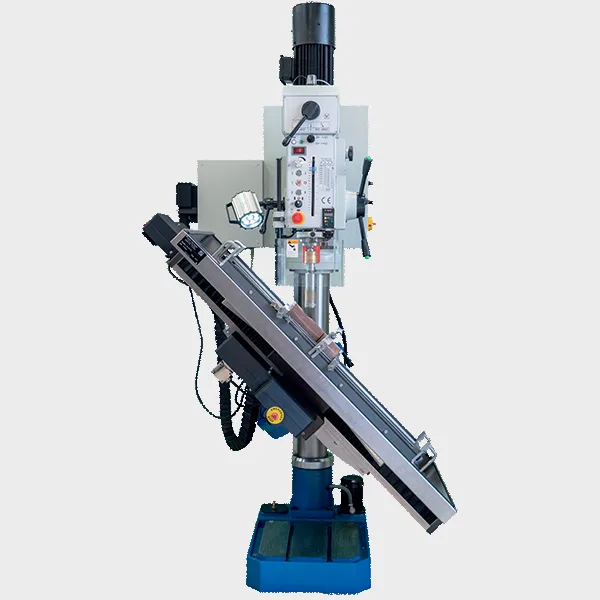
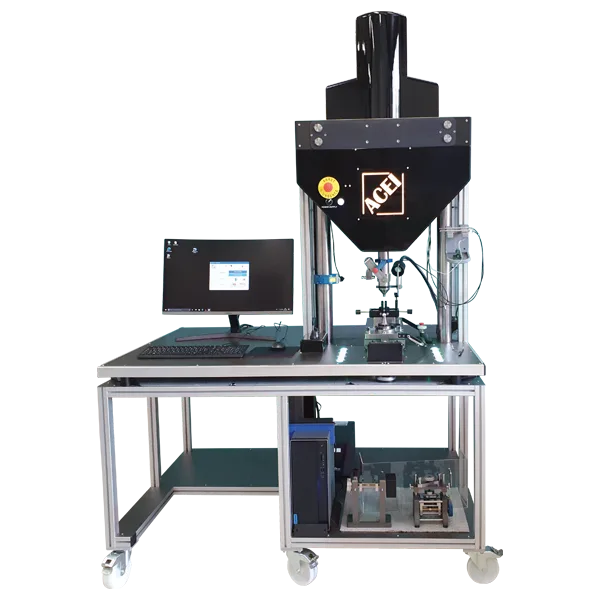
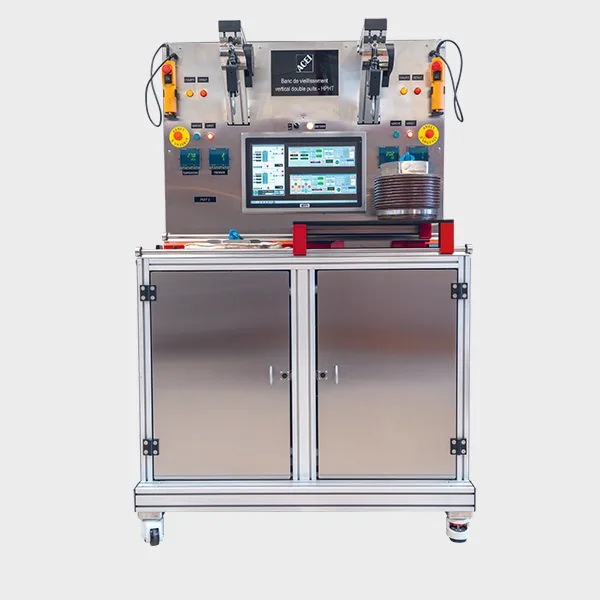
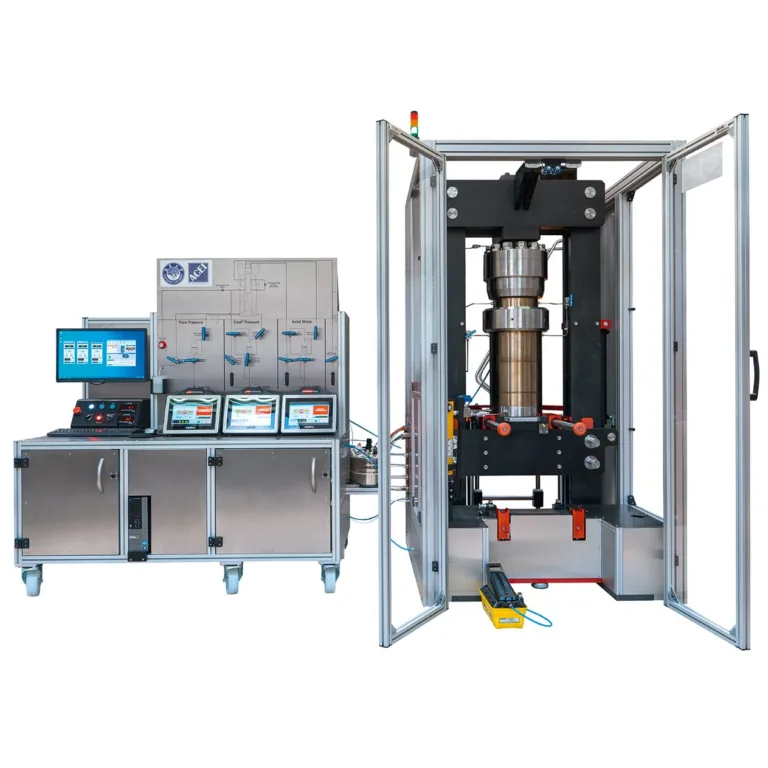
Pompe haute pression 300 mL après rétrofit complet dans l'atelier IRIAN Mecatronics Geoscience & subsurface studies Retrofitting proprietary high-pressure pumps for PVT analysis Complete retrofit of 980 bar high-pressure pumps for a geoscience lab. The upgrade replaced proprietary electronics and software with a standard, open solution, restoring… Geoscience & subsurface studies500 bar500°C105 mLConfidential project · photo withheld Geoscience & subsurface studies Custom HPHT Permeameter for Rock Permeability Testing at 500°C / 500 bar in Corrosive Fluids Custom permeameter design for a geoscience lab. The equipment measures rock permeability under extreme conditions (500 bar, 500°C) in contact with highly corrosive aqueous… Gas permeability bench with triaxial cell Geoscience & subsurface studies Wide-range gas permeability test bench and triaxial cell for geomechanics Wide-range gas permeability bench (10⁻²¹ m²) with triaxial cell for the University of Shandong. An IRIAN MECATRONICS solution for tight rock characterization. Custom 550 bar HPHT reactor in super duplex steel on an articulated laboratory stand Geoscience & subsurface studies Multi-mode HPHT reactor for geochemical simulation in corrosive media Design of a custom modular HPHT reactor for geoscience research. The equipment allows for multiple types of experiments (batch, gas cap) at 550 bar… Engineers integrating a frame with several high-pressure cells in the client's laboratory Geoscience & subsurface studies Mastering carbonic corrosion at 140 bar: engineering a Hastelloy C-276 characterization rig Custom multi-sample test rig for permeability measurement under extreme conditions (140 bar, 130°C). Its Hastelloy design ensures measurement integrity against a highly corrosive fluid… Tall HPHT floating-piston cell mounted vertically on a mobile stand Geoscience & subsurface studies 1200‑bar floating piston cells for HPHT reservoir fluid studies We built 1200 bar HPHT floating piston cells (up to 5L) for reservoir fluid studies. Made of Super Duplex F53, they resist corrosive fluids… High-precision osmosis test bench for the study of clay rocks Geoscience & subsurface studies High-precision osmosis test bench for argillite studies For the BRGM, we designed an osmosis test bench. It measures tiny liquid flows (20 µL/day) through argillite samples under 50 bar confinement. Multi-reactor high-pressure test bench with supervision screens, installed in the laboratory Geoscience & subsurface studies Multi-cell 400 bar / 250°C test bench for formation damage analysis For an energy leader, this multi-cell bench (400 bar, 250°C) simulates formation damage from drilling fluids, including corrosive acids (HCl). X-ray transparent PEEK triaxial cell on its microtomography test bench Geoscience & subsurface studies Custom x-ray transparent triaxial cell for BRGM: in-situ 3D tomography analysis For the BRGM, we designed an X-ray transparent triaxial cell (200 bar, 150°C). Made of PEEK and titanium, it allows for in-situ 3D analysis… Hydrogenation test bench with six reactors, 3D view with operator for scale Geoscience & subsurface studies Custom Hastelloy C276 HPHT reactor system for geoscience research For geoscience research, we designed this bench of 6 HPHT reactors. The use of Hastelloy C276 ensures maximum resistance to corrosive fluids. High-precision core plugging machine for rock samples Geoscience & subsurface studies High precision core plugging machine This high-precision core plugging machine is designed for analysis and research. It ensures automated and reliable core sampling (up to 1000 mm long). 3-in-1 uniaxial test bench (CUT) for rock characterisation Geoscience & subsurface studies 3-in-1 uniaxial tester (CUT) for petroleum rock characterization Design of a 3-in-1 press (20kN) for SONATRACH, combining uniaxial compression (UCS), tensile, and 3-point bending tests on one indexed mobile table. Dual-well HPHT ageing bench with touchscreen control Geoscience & subsurface studies 1380 bar HPHT aging bench: simulating extreme conditions for cement and fluids This accelerated aging test bench is designed to assess material durability under user-defined temperature and pressure constraints in a controlled environment. High-pressure triaxial test cell installed in a research laboratory Geoscience & subsurface studies Custom HPHT triaxial testing press for geomechanics research Design of a custom triaxial test cell for geoscience research. The equipment combines pressures up to 500 MPa, a temperature of 150°C, and compatibility…
04 — Our approach

An integrated engineering approach

From understanding your experimental needs to training your teams, our engineering office and workshop support you at every step.

  1. Translating experimental needs

    Our in-house design office, with its expertise in mechanics, instrumentation, and automation, works with you to turn your scientific protocol into a functional technical solution. Together, we validate the design choices that will guarantee the reliability and accuracy of the expected measurements.

  2. Manufacturing, integration, and factory testing

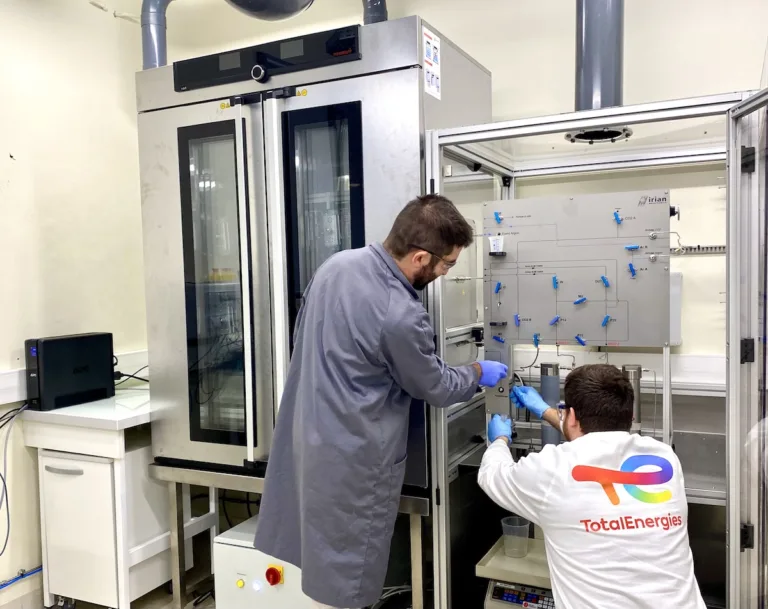
    Manufacturing and assembly take place in our ISO 9001 certified workshop in Morlaàs, France. Before shipment, each piece of equipment undergoes a factory acceptance test (FAT) in your presence to validate the specifications point by point and the proper functioning of each component.

  3. Installing and providing support

    Our teams travel to commission the equipment in your laboratory and train operators in its use and first-level maintenance. We then remain available for preventive and corrective maintenance, and to upgrade the system for your future needs.

Explore our other solutions for research, such as triaxial testing systems, reactors and analysis cells, or our equipment dedicated to extreme environment simulation and supercritical CO₂.

They trust us

  • CNRS
  • CEA
  • BRGM
  • Ifremer
  • EDF
  • TotalEnergies
  • Michelin
  • CETIM
  • Centrale Lille
  • Université de Pau et des Pays de l'Adour
  • Sonatrach
  • Saudi Aramco
  • Nanchang University
  • Adisseo
  • Lafarge
  • MDS
  • MIO – Mediterranean Institute of Oceanography
  • IRT Saint Exupéry
  • IRD – French National Research Institute for Sustainable Development
  • Groupe INSA
  • Aix-Marseille Université
  • logo-icmcb

05 — FAQ

Frequently asked questions

Can your systems simulate the specific conditions of CO₂ or hydrogen storage?

Yes, our equipment is designed for these applications. We select materials resistant to hydrogen embrittlement or wet CO₂ corrosion, such as Hastelloy alloys or Titanium. The architecture of our test rigs also allows for simulating injection and withdrawal cycles to study the impact on the mechanical integrity and permeability of the reservoir rock, or the sealing efficiency of the caprock.

How do you ensure measurement accuracy for tests that last several months?

Long-term stability is a fundamental design criterion. We achieve it through active thermal regulation of key components to compensate for lab temperature variations, the use of high-precision pumps, and the selection of inert materials that prevent corrosion and sensor drift. The control system ensures stable regulation and reliable data acquisition 24/7.

Is it possible to visualize what is happening inside the sample during the test?

Yes, we design X-ray transparent test cells, including triaxial cells. By using low-absorption materials like PEEK, carbon fiber, or titanium, we enable in-situ 3D tomography analysis. This allows you to observe phenomena such as micro-cracking, pore compaction, or fluid propagation within the rock in real time.

I need to run several types of tests (mechanical, transport, geochemical). Do I need a separate machine for each?

Not necessarily. We favor designing modular and versatile equipment to optimize your investment. For example, a triaxial press can be equipped with fluid circuits to perform permeability measurements. A geochemical reactor can be designed to be reconfigurable and operate under different protocols (static, dynamic, core flooding, with a gas phase).

Planning a test under reservoir conditions?

Describe your experimental protocol, pressure and temperature conditions, fluids, and the parameters to be measured. Our engineering team will get back to you to discuss a technical solution.

Discuss your project